General Contractor: Your Top Expert for Home Work
A general contractor maintains an essential position in building projects. They handle numerous facets of building operations, ensuring that all work proceeds smoothly. Their expertise of construction regulations and standards allows them to navigate the complexities of permits and reviews. This expert serves as an critical bridge between homeowners and subcontractors. Still, many homeowners feel confused about the breadth of their offerings. Grasping these details can have great importance for the success of any renovation project.
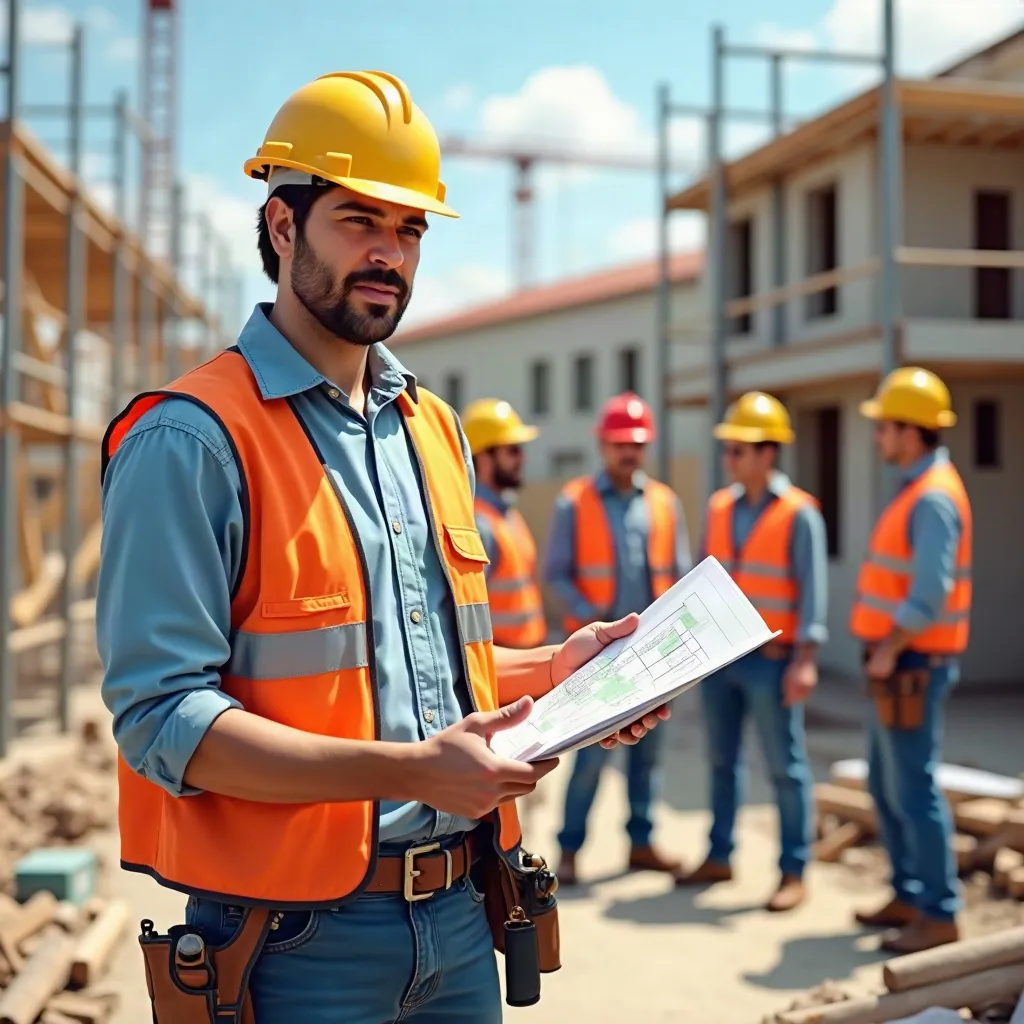
What Does a General Contractor Accomplish?
A construction coordinator orchestrates the various elements of a construction project, confirming that everything runs smoothly from opening to closing. They represent the primary point of contact, directing interactions between stakeholders, contract workers, and suppliers. This role requires planning the project timeline, coordinating personnel, and upholding compliance with municipal construction standards and regulations.
General contractors are responsible for obtaining necessary permits and scheduling inspections, which are essential to upholding safety and quality benchmarks. They also handle budget planning, material procurement, and overseeing site operations to mitigate any potential delays or issues. In addition, they oversee subcontractors, ensuring that each phase of construction conforms to project specifications and timelines. Overall, a general contractor's knowledge and management abilities are essential to delivering a successful construction project, transforming a client's vision into reality while balancing multiple tasks and responsibilities.
Benefits of Employing a General Contractor for Home Remodeling
Hiring a professional builder for home renovations offers numerous benefits that can greatly enhance the efficiency and quality of the project. General contractors possess knowledge in managing projects, making sure deadlines are achieved and funds are distributed effectively. Their strong connections with subcontractors can result in better pricing and excellent craftsmanship, which eventually saves homeowners both time and money.
Also, building managers supervise the intricate particulars of authorizations and assessments, minimizing prospective legal complications. They also furnish a sole representative, simplifying communication and coordination among various trades. This streamlining reduces the potential for misunderstandings and delays.
Furthermore, their experience enables them to anticipate possible issues, facilitating proactive solutions to keep the project on track. By hiring a general contractor, homeowners can concentrate on their vision while enjoying peace of mind, knowing that a professional is managing every aspect of the renovation.
Clearing Up Myths Regarding General Contractors
Many homeowners may hold misconceptions about general contractors, but understanding the realities can lead to more better decisions. A prevalent myth is that hiring a contractor is not needed for minor projects; yet, their expertise can make easier even small-scale renovations, ensuring alignment with local codes. Another frequent belief is that general contractors are simply middlemen, but they usually possess extensive knowledge in different specialties, allowing them to manage projects successfully. Furthermore, some homeowners think that collaborating with a contractor will dramatically raise costs. In truth, a competent general contractor can often attain better pricing for materials and labor due to established relationships with suppliers and subcontractors. Lastly, many believe that contractors are unadaptable, but reputable contractors emphasize client communication and work closely to fulfill tailored needs. Cleared up myths can empower homeowners to make the most of the true value of general contractors in completing effective home projects.
How to Choose the Right General Contractor?
How can homeowners ensure they select the right general contractor for their projects? The process starts with thorough research. Homeowners should obtain recommendations from friends, family, or online reviews to identify qualified contractors. Once a list is created, confirming credentials, such as licensing, insurance, and bonding, is crucial to verify legitimacy.
Next, clients should solicit and assess portfolios of previous work, focusing on work of comparable scale. Arranging consultations allows clients to gauge compatibility, discussing timelines, budgets, and expectations. It's also advisable to obtain multiple quotes for comparison, providing a transparent view of costs.
Reviewing references gives perspective on a contractor's dependability and expertise. Ultimately, following your intuition is crucial; an opening discussion can expose a contractor's way of communicating and methodology. By implementing these procedures, homeowners can substantially improve their chances of selecting a general contractor who suits their key information objectives and goals.
Effective Communication Strategies With Your General Contractor
How might homeowners use techniques to maintain effective communication with their general contractor? Establishing direct communication from the start is critical. Homeowners must clearly express their expectations, project goals, and financial limits during first discussions. Consistent information can be facilitated through arranged gatherings, ensuring that both parties stay coordinated throughout the project.
Using written documentation, such as email correspondence and project documentation, serves to reinforce spoken commitments and minimizes confusion. Homeowners should also promote open dialogue by inviting feedback and questions from the contractor, creating a collaborative environment.
Additionally, leveraging modern solutions, like project management apps, can optimize communication by delivering a consolidated platform for distributing updates, timelines, and changes. Finally, showing consideration and friendliness can boost rapport, facilitating it more convenient for the contractor to share challenges or suggestions productively. By using these strategies, homeowners can build a collaborative and candid relationship with their general contractor.
How to Get Ready When Your Initiative Gets Started?
As the project starts, homeowners can look forward to a rush of action on-site. The lead contractor will coordinate teams of skilled tradespeople, along with electricians, plumbers, and carpenters, who will get started their responsibilities per the set schedule. Homeowners may notice heavy machinery and materials being delivered, creating a vibrant feel.
Communication remains vital during this phase. The contractor will provide updates on progress and handle any issues that arise. Homeowners should get ready for potential disruptions, such as sound and limited access to specific areas of the home.
Safety measures will be in place to protect both workers and residents, confirming a secure space. Additionally, homeowners may be advised to sustain flexibility, as unforeseen issues can arise, compelling adjustments to the original plan. Overall, this initial phase sets the stage for the successful completion of the project, and active commitment is essential.
Vital Questions for Your General Contractor Agreement?
Pinpointing the right questions to discuss when completing a general contractor agreement is imperative for assuring a frictionless project. Homeowners should seek clarity about the contractor's license and safeguard to validate their standing and protection against accountability. Understanding the project calendar and targets is important; therefore, asking about projected completion dates helps manage expectations.
It is also necessary to communicate financial specifications, like deposit amounts and payment plans, to forestall misconceptions. Home purchasers should procure a detailed breakdown of outlays, featuring building materials and skilled work, to copyright transparency. In addition, engaging in discussion about the process for handling alterations or unforeseen issues can eliminate conflicts later.
Lastly, property owners must seek information about subcontractors and their qualifications, as well as the communication approach of the contractor throughout the project. By tackling these inquiries, homeowners can foster a productive relationship with their primary contractor, ultimately leading to a successful home project.
Often Asked FAQs
What Ways Do General Contractors Use to Invoice for Their Services?
Contractors usually charge by way of flat fees, time-based pricing, or a proportion of the overall budget. Their costs may also contain materials, labor, and business expenses, based on the project's complexity and scope.
Can a General Contractor Provide Assistance With Requirements and Examinations?
Yes, a general contractor can support securing permits and overseeing inspections. They routinely handle local regulations and guarantee compliance, streamlining the process for homeowners while supporting necessary approvals throughout the construction undertaking.
What Background Should I Consider in a General Contractor?
When picking a construction firm, one should assess qualifications such as licensing, insurance, background with comparable initiatives, strong references, and strong interpersonal abilities, ensuring they possess the necessary expertise to manage the project with success.
What is the Timeline of a Typical Home Renovation Project?
A common home remodeling job can last anywhere from a few weeks to several months, reliant on the scope, complexity, and size of the project, as well as the supply of materials and labor.
What Transpires if My Initiative Goes Over Spending Cap?
Should a project exceed the budget, the builder usually communicates the reasons and options with the homeowner. Modifications may involve reducing costs, pursuing more funds, or adjusting the project parameters to align with budget constraints.